Apartment and Condo Mold Remediation in Downtown, CA
Apartment and condo mold remediation in Downtown needs a clear boundary between your unit and shared building work.
- Shared walls and plumbing considered
- Containment and HEPA filtration
- Clear scope for owners and tenants
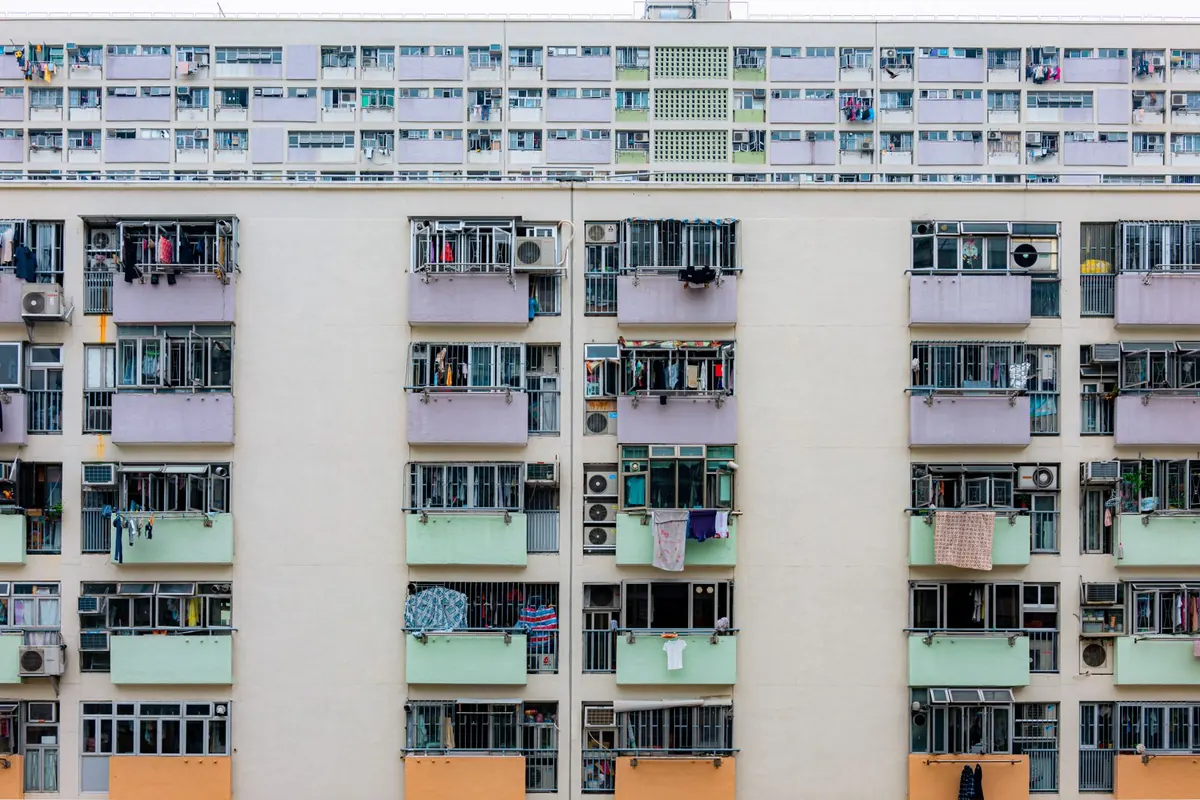
Apartment and Condo Mold Remediation in Los Angeles County: What Is Included
Include affected shared spaces and rooms in your scope. Visible growth alone should not set its limits.
Cleanup limits may differ from ownership limits when water travels from a different unit. Giving your unit number locates the complaint but does not set the work area's boundary.
Request a scope for each room, listing your possessions separately from building materials and shared elements.
- Ceiling damage below another unit
- Growth behind kitchen cabinets
- Damp shared walls or flooring
- Odor near bathroom vents
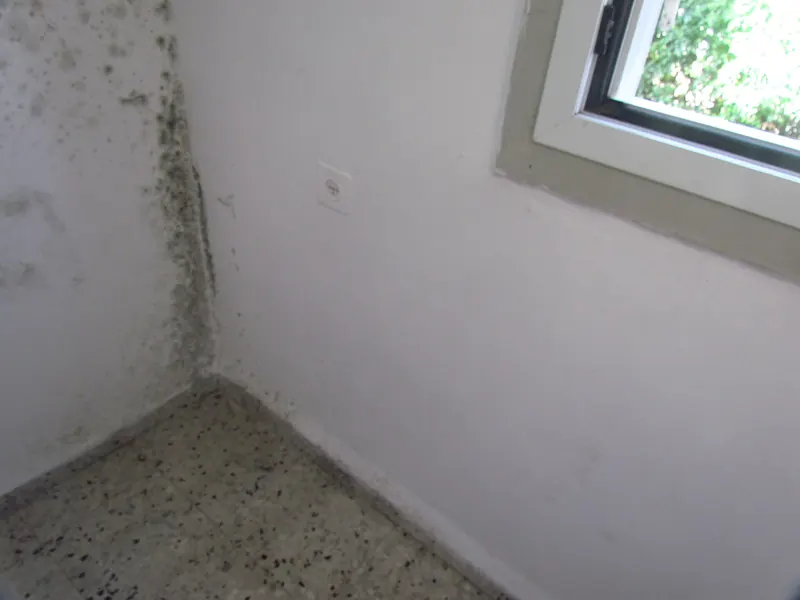
Apartment Cleanup Choices for Properties in Los Angeles County
Apartment Project Contact
Find out which contractor contact or property manager updates residents about progress.
Changes to the Scope
Establish approval responsibility for your written scope of work revisions if more damage appears after a wall is opened.
Equipment Arrangements
Discuss power and noise, plus equipment monitoring during gaps between visits.
Occupied Building Experience
Seek examples from comparable projects and ask for contactable references.
Apartment Mold in Downtown: Problems to Check
The location of damage helps guide inspection beyond your room.
Apartment Odors Without Visible Growth
Before deciding to make an opening, have an inspection identify any damp material.
Recurring Window Condensation
Check whether water intrusion, ventilation or indoor humidity needs addressing.
Apartment Damage From a Leak From Above
Ask for checks along the water path, including the ceiling cavity and adjacent units.
Condo Building Plumbing
A stack leak can mean needing entry both below and above your unit. Have the building owner coordinate arrangements.
First Steps for Apartment Mold in Los Angeles County
Describe your observations. Keep the affected spot undisturbed.
Call (844) 352-3560- Report active water. If safe, use a shutoff you can access. Keep clear of water around electricity.
- Send a dated maintenance request. Give the date you first noticed the issue, your unit, the affected room and photos. Retain your copy.
- Leave growth undisturbed. Avoid pulling drywall or scraping growth because those disturbances can release mold spores.
- Flag a suspect HVAC system. EPA says not to run possibly contaminated heating or cooling equipment because it could spread mold. Alert management.
- Record belongings. Before damaged items move, photograph them. Note where each was stored.
Apartment Mold Remediation Cost in Downtown
These figures describe mold remediation costs nationally, rather than quoting your apartment or condo. Pricing rests on the scope established by assessment, so multiplying a rate by all your unit's floor space is inappropriate.
Typical national range, average $3,500
$1,500 to $9,000 per jobSource: Fixr, Mold Remediation Cost (checked 2026-10-23)Typical range, average $2,300
$1,200 to $3,750 per jobSource: This Old House, Mold Remediation Cost (cost data credited to Angi) (checked 2026-10-23)Areas over about 10 square feet: professional pricing
$10 to $30 per square footSource: Fixr, Mold Remediation Cost (checked 2026-10-23)What Changes Apartment Mold Remediation Cost
- Building access restrictions
- Separately priced testing and rebuilding
- Containment and air filtration
- Material removal and disposal
- Number of units needing work
- Affected area, including hidden growth
Published Mold Remediation Guides, Not a Unit Quote
No site visit was used for these ranges, which are drawn from published national cost guides. Before work begins, you should get an explanation of the property price determined through an on-site assessment.
Ask about cost: (844) 352-3560Apartment and Condo Payment Questions in California
Keep temporary accommodation, building work and personal items distinct in your payment discussions.
Condo Disclosure Information
California's Toxic Mold Protection Act includes a landlord written-disclosure section (Health and Safety Code 26147). By its own wording it applies only after the state adopts mold exposure standards, and the state health department has said it could not set them.
Condo Claim Boundaries
Find out which homeowners insurance policy applies to common elements and which to unit interiors.
Apartment Renters Insurance Questions
Discuss exclusions, belongings, claim documentation and loss of use.
Tenant Responsibilities
Under California's housing law, visible mold found by a health officer or code enforcement officer can make a rental substandard. Renters can contact their local health or code enforcement department to ask for an inspection.
Apartment Cleanup Stages Across Greater Los Angeles
Assessment sets the methods; cleaning and drying precede the completion check.
Apartment Moisture Assessment
Damp areas are traced using a moisture meter. A thermal imaging camera may guide checks but cannot identify mold.
Work Area Containment
Your scope specifies an air filtration device and a containment barrier, frequently made from poly sheeting. Ask whether negative air pressure is needed.
Controlled Drywall Removal
Building materials beyond saving come out inside the designated work zone.
Surface Cleaning
The scope may specify a HEPA vacuum and damp wiping suited to each retained material.
Drying the Work Area
Choose a dehumidifier together with air movers based on the conditions assessed.
Completion Check
Check the agreed completion criteria before taking containment down.
Prior to Containment Removal
Ask to see these completion documents before the work area goes back to normal use.
- Confirmation, supported by dated photographs, of removal completion and finished final cleaning.
- A record of moisture readings for identified materials and locations, confirming drying criteria were satisfied.
- Post-remediation verification as specified in your scope. Keep the clearance report and have any clearance testing performed by an independent assessor.
- A record of water-source repairs and any unresolved building work.
- Named parties responsible for arranging rebuilding, authorizing removal of barriers and restoring access.

Discuss Apartment and Condo Mold Remediation in Downtown
Phone at any hour. An apartment and condo mold remediation specialist answers, talks through what you are seeing and explains the next steps.
Understanding Apartment Cleanup Issues Throughout Greater Los Angeles
Your plan needs to consider both the people living there and conditions past the visible patch.
Shared Apartment Corridors
Ask about the route for removing bagged debris while avoiding unnecessary passage through occupied areas.
Damp Wall Cavities
Insulation behind a surface may still be wet even when the surface looks dry.
Contaminated Water
Choose a professional experienced in damage from sewage or contaminated water when either is involved.
Can you clean it yourself? EPA notes that cleaning areas under about 10 square feet is often possible for homeowners or renters. Larger areas and HVAC involvement call for professional assessment.
Materials in Los Angeles County Units
A hard material is not enough: assess porosity and condition before keeping it.

Non-Porous Surfaces
- Glass, metal and glazed tile assessed for cleaning
- Separate checks for items containing concealed joints
Porous Materials
- Sound wood framing may be cleaned and dried
- Moldy drywall, carpet and insulation may need disposal
Your Belongings
- Furniture and clothing assessed separately
- Cleaning or disposal decisions recorded per item
Requirements for Mold Work Across California
Local Requirements
California has no state license or certification for mold assessors or remediators, according to the California Department of Public Health. General construction work above a small dollar amount does need a license from the Contractors State License Board (CSLB), so it is worth checking a contractor's license there and asking about their mold training. Discuss permits with the building office before planned demolition or rebuilding.
EPA Drying Guidance
To prevent mold growth, dry items and areas damaged by water within 24 to 48 hours.
Building Access Rules
Discuss working hours with management, along with notice procedures and elevator reservations.
Tenant Information
The California Department of Public Health (CDPH) Air Quality Section publishes mold and dampness guidance and a mold FAQ. CDPH says visible mold, dampness, and mold odor are unhealthy and should be fixed, and that routine mold testing is not needed when mold is visible.
State guidance: CDPH Frequently Asked Questions about Mold; CDPH Statement on Building Dampness, Mold, and Health; California Health and Safety Code 26147 (leginfo); California Health and Safety Code 17920.3 (leginfo)
Scope and Repair Planning
Use the full apartment and condo mold remediation guide to prepare questions about the assessment, scope and next steps for your property.
Read the apartment and condo mold remediation guidePlanning Apartment and Condo Mold Remediation in Downtown
Housing numbers tell you about the locality, rather than the state of your property. Use assessment findings to organize access, records and repairs for moisture problems.
Census ACS 2024 5-year (tables B01003, B25003, B25035, B09021 and B25024). Area estimates do not establish conditions at an individual property.
A neighborhood label helps locate Downtown, but the leak path inside the property determines which walls, floors, ceilings, or insulation need attention.
Dry water-damaged areas and items within 24 to 48 hours to prevent mold growth, and remove porous material when it cannot be fully cleaned and dried.
Local Apartment and Condo Mold Remediation Information for Downtown
Your call can include questions about mold cleanup availability in close-by communities and ZIP codes.
Apartment and Condo Mold Remediation in Locations Near Downtown
ZIP codes
Answers to Apartment and Condo Mold Remediation Questions in Downtown
Before I approve work, which questions should go to my insurer?
Ask about your insurance claim in relation to the water event, mold limits, the deductible and exclusions. Find out whether temporary accommodation requires prior approval and whether an adjuster must have evidence ahead of material disposal. Submitting a maintenance request or having a cleanup scope does not itself establish payment under your policy.
Before apartment mold removal, must I have sampling done?
When you can see growth, EPA says sampling often is not needed. Without identifying species, an inspection can determine the moisture issue along with affected materials. If sampling is suggested, find out which decision depends on the findings. A sample cannot establish a number safe for everyone because EPA has no federal limit for indoor mold.
Is staying in my Downtown apartment possible while work takes place?
Ask which rooms, exits, bathrooms and cooking facilities remain usable, and how the work zone is separated from your living space. Discuss resident needs before work starts. When the arrangement proves impractical, request alternative options from management. Having a barrier does not by itself establish that remaining is appropriate.
Who can approve work in my California condo building?
Begin with your property manager and documents from the condo association or HOA to find authorization responsibility for work within units and on common elements. Ask if access arrangements are also needed from the next-door unit owner. Keep approval and access arrangements together so the contractor knows which areas can be inspected before opening shared construction.
What can I do when my landlord has not responded to my report?
Follow the maintenance procedure for further contact and ask when to expect a response and how access will work. Save past messages and records of missed appointments. For an issue that remains unresolved, consult the listed state resource about tenant rights. Consult someone qualified before you end a lease or modify rent payments.
Will the cleanup charge also cover rebuilding my condo?
You should not presume so. Find out whether removal and drying conclude the scope or whether replacement drywall, insulation, flooring, paint and cabinet work follow. Clarify who among the trades will complete each excluded repair. Ask as well about responsibility for restoring any shared wall assembly opened during work.
Questions About Apartment and Condo Mold Remediation in Los Angeles County?
Calls about apartment and condo mold remediation are answered 24 hours a day, so you can receive clear and practical guidance.